
The washer will not drain
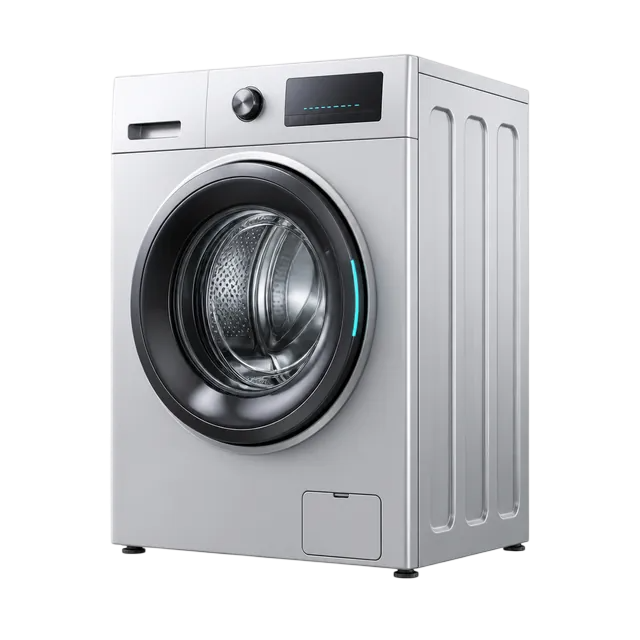
The door glass is warm, the drum is holding water up to about the shaft, and a new pump is already on the stool in a bag. The code looked like a drain fault, so the part was bought before anyone opened the lower flap. I do not start there. Tashkent water is hard, powder and lint set into a solid plug, dust settles in the niche behind the machine, and a new kitchen cabinet often pinches the drain hose. The first things I actually find are a coin in the filter, a kinked hose, a pressure-switch tube that has come off, or hair wound on the impeller. Do not tilt a full machine: the water runs into the motor and through the ceiling below.
Once the filter, the hose, and the level tube have been checked and the pump is truly silent, that is washing machine repair. I do not name the exact figure before the machine is open. Drain work starts from 150 000 sum, and the number comes after diagnostics.
The cycle stopped with water still in the drum
Water sits about as high as the shaft, the clothes are a heavy lump, and the program reached the drain and stopped. That is not the whole machine dying. In the evening, in older Tashkent buildings, the voltage sags. A pump that was already moving water can go quiet halfway, and in the morning the code is still lit. I listen first, for at least half a minute, to hear whether the pump hums at all. Silence with a full tub, a hum with no water moving, and gurgling at the trap are three different machines. A pump in a bag does not tell them apart, so the bag stays closed.
A full machine is not laid on its side and not tipped so the water can be poured out of the door into a basin. It leaves the tub and runs into the motor, the connectors, and under the tile. Above the ground floor it also becomes the neighbor's ceiling. Drain from the bottom. On many front-loaders a thin emergency hose sits behind the lower flap; it goes into a low basin. If there is no hose, the filter itself lets the water out slowly, with towels around it. The cap is turned by hand. Hard water sticks the thread. Use a rag and pliers then, not a screwdriver in the gap. A screwdriver splits the plastic, and the cap leaks on every wash after the drain is already fixed.
While the water leaves, I watch whether it climbs back out of the trap. If the machine fills again after a manual drain and stops with the same mark, this was not one evening voltage dip. Next are the filter, the drain hose, and the thin pressure-switch tube. I do not try the pump from the bag until those three places are open and the plug is out of the socket.
The filter cap people pry with a screwdriver
The lower filter is not a slot for a screwdriver. The flap opens by hand, and the cap unscrews counter-clockwise. A blade in the gap splits the plastic. The cap then weeps on every wash, even when the pump has nothing to do with it. Under the cap, in Tashkent water, I find coins, buttons, a bra wire, a child's sock, and a grey felt of lint, powder, and lime crumbs. Hard water does not stop a pump by itself. Mixed with lint, it cements a plug you can no longer push through with a finger.
Behind the filter cup the pump impeller is visible. Hair and thread wind on it until the blades barely turn, while the pump hums and gets hot. That is often not a burnt winding. I pull the plug before I reach in. On pause, the pump can still be fed. Hair comes off with a hook, not with a knife down into the volute. A knife cuts a blade, and then the pump really is replaced, because of the inspection, not because of the wash.
After cleaning, the cap goes on straight, with the rubber sitting flat, and I run a short drain with an empty drum. The hose end at the trap should throw a steady stream, not drops and not air alone. If there is no stream and the impeller turns freely, the filter is finished as a suspect. I go to the hose behind the machine and to the thin level tube.
A new kitchen run can fold the drain hose
A new kitchen is often built tight, and the washer is shoved in with a shoulder. The corrugated hose folds behind the plinth or under a foot, and the opening left is about a hair wide. The pump hums. The water stays in the drum. You cannot see it until the machine is pulled out. I pull a machine that is already empty. I do not drag a full one, or the hose tears and floods the niche. In July the hose in a hot niche is soft and folds more easily than in winter. Dust on the wall behind the washer does not hold water, but it shows the machine has not been rolled out in a long time and the hose has been living as it fell.
The second picture after a kitchen install: the hose is pushed so deep into the standpipe that the end sits in water, or it is thrown over a high cabinet rail. The pump cannot lift that far, or the machine keeps sucking water back. The hose should run without an uphill loop and without a pinch. The end sits above the trap's water line, not up at the top of the cabinet. Do not extend it with a second piece and electrical tape. That joint leaks exactly when the pump builds pressure.
Separate from that is the thin pressure-switch tube, from the tub's air chamber to the level sensor. It gets knocked off when the machine is squeezed into the niche. If the tube is off, or packed with powder and limescale, the board never sees the level fall. A drain code lights, even though the pump is alive and the filter is empty. I take the tube off and blow it toward the tub, not toward the sensor, then seat it fully. That is not a new pump and not a sick module.
The letters on the display are not a parts order
Brands label drain, spin, and balance differently. OE, 5E, and UE show up often. They are common drain, spin, and balance codes, not the name of a part to buy. The board can be wrong. The same mark lights when the pressure switch is lying, when the clothes have piled to one side, and when the water simply never left. I do not decode a stranger's code from memory in the doorway. I look at whether the water left and whether the impeller turns.
UE is often read as a broken tub. More often the machine could not spread the load because water was still in the drum, or a duvet had balled up. A balance code on a full tub is a result, not a cause. A drain code with a clean filter and a straight hose points at the level tube, not straight at the module. The module is expensive. An evening voltage sag can freeze a program so the mark stays lit while the hardware is fine.
Once the water has been drained by hand, the plug can come out for about ten minutes and go back in. If the code does not return and the drain completes, it was a supply glitch. If the water is standing again, the letters are beside the point. I look for a blockage, a kink, or a dead pump by the impeller and by whether the pump is actually being fed, not by the printing on the door.
Four facts beat a spare pump in a bag
On the phone, four things help. Is the water still in the drum or already out. Does the pump hum when the program should be draining. Was the filter opened, and what was in it. Was a kitchen cabinet installed the day before. Read the code as the symbols are drawn, not translated into "the pump burned out". The plate inside the door matters too, but it does not replace those answers.
A pump from the bazaar often goes back into the bag. The connector, the volute fit, and the impeller direction do not match, even when the box names the same brand. A new pump on a pinched hose heats up just like the old one. Until I have seen the filter, the hose, and the level tube, I do not assign a part. Drain work starts from 150 000 sum. The exact sum is after diagnostics. Cleaning a filter and straightening a hose is one job. Replacing a pump or the tub-to-pump hose is another.
If a knock on spin showed up together with the standing water, leave high spin off while the drum is full or has play. That is the next piece: knocking on the spin cycle.
Bottom line
Leave the pump sealed until the filter, the hose behind the cabinet, and the thin level tube are open. A coin, a kink, a wet pressure switch, and hair on the impeller leave a full drum more often than a burned pump. Keep the machine upright, let the water out at the bottom into a basin, and pull the plug before you touch an impeller.
The work itself starts from 150 000 sum. The figure on the bill appears after diagnostics. If the filter cap was already cracked with a screwdriver and weeps on the thread, say so at once. Otherwise the leak gets blamed on a pump that has not been changed.
Questions
Common questions
01Can I tip a full washer and pour the water out of the door?
02Does OE, 5E, or UE mean the pump has to be replaced?
03What does a no-drain repair cost?
04The pump hums and the water stays. Is the pump burned out?
Knocking on the spin cycle
On spin, a washer can drone like a distant aircraft, or it can hit the cabinet once every turn. Those are different bills and different parts. A hum that grows with speed usually leads to the bearings and the seal. A knock that lands in the same place each turn is a coin, a wire, or a button between the drum and the tub. A blow at the start of the ramp, when the machine walks, is the dampers, and a bare concrete floor makes it sound meaner than it is. Until the play has been checked by hand, leave high spin off: the drum hits the tub and the heater. If the machine also kept its water that same day, deal with the drain before the bearings: a washer that will not drain. After that it is washing machine repair, and the sum depends on the tank.
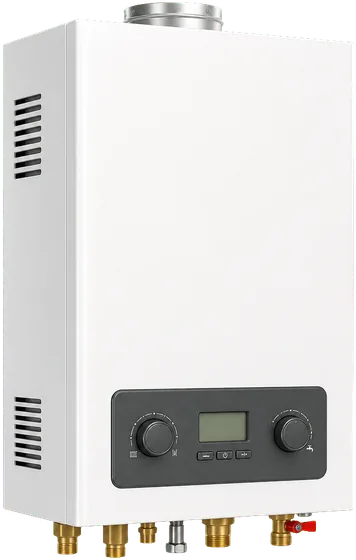
The boiler lights and goes out
A click of ignition, a short tongue of flame in the window, and a few seconds later silence and a lockout. Reset does the same thing again. This is your own gas boiler in a house or in a new flat where it hangs on its own. An ordinary flat on a city riser is not built this way. There is no burner there to reset with a button. The boiler manages to open the gas and to make a spark. Then flame supervision does not confirm that the fire is staying, and the valve closes again. The causes differ: an electrode in soot, little gas at the inlet in the evening, a coaxial pipe pulling its own flue gas back in, or a board that really is not seeing the signal. Which icon lights is the brand's choice. Baxi, Vaillant, and Ariston draw this failure differently. There is no one number for all three. Heating boiler repair starts from 200 000 sum. The exact price comes after diagnostics, once the electrode, the inlet gas, and the flue have been separated. Twenty resets in a row do not heal the board. If you smell gas, do not press reset at all.