
Multicooker will not heat and shows an error
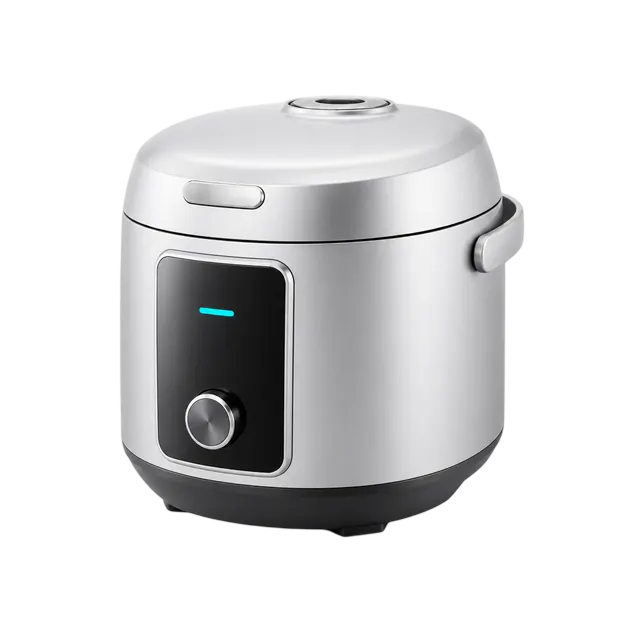
The display is lit, the buttons answer, the timer moves, and ten minutes later the bowl is as cold as when you pressed start. That is not a keep-warm mode that is only supposed to be lukewarm. That is a cook program that should boil, while the base under the bowl stays silent. The board has power. The heat path does not.
In Tashkent the bowls we see most are Redmond, Polaris, and Midea. The symptom is the same: no heat. The digit or the icon on the screen belongs to that brand, and some units show no code at all, just a clock that sits still. A number from someone else's forum does not belong on your lid. Write the brand, the model, exactly what is drawn, and that the bowl bottom is cold.
Multicooker repair starts from 100 000 sum. The exact price comes after diagnostics: heater, thermal fuse, relay, or bowl sensor. Until the base is open, those are four different parts, not one board that explains everything.
The display is on, the bowl is cold
The screen, the backlight, and the button beep live on one circuit. The heater under the bowl lives on another. A multicooker can look awake and still give no heat. The check at home needs no tools. Fit the original bowl, add a little water, choose a normal cook or grain program, not keep-warm. Keep-warm is supposed to be only lukewarm, so it is a bad test of the heater. After ten minutes touch the outside of the base under the bowl, not the water. The water can be slightly warm from the kitchen. Metal under a working element is already hot.
If the metal is cold, do not start another program just in case. An empty or nearly empty run is exactly how the fuse opens if the heater is shorting somewhere. Unplug it. Do not pour water over the lid or into the button gap. The display is already on, and the buttons answer, so this is not a soaked keyboard.
On a visit we measure whether voltage reaches the heater, whether the element itself is intact, and whether the fuse beside it is open. Not every board clicks a relay at the start, but if it used to click and now there is silence and a cold base, that is a clue. We price the part that is silent. Labor starts from 100 000 sum, and the part is separate once it has a name. A multicooker that will not hold pressure may still be heating. This complaint is a cold bowl, not steam from the valve.
The code depends on the brand, the symptom is the same
An error on the display is a letter or an icon that this brand invented for its own sensor. On Redmond, Polaris, and Midea the same cold base can look different: a letter and a digit here, a blinking pot there, or simply frozen minutes with no code at all. We do not use a number that supposedly fixes every multicooker. There isn't one. A forum tip to short a sensor because somebody's unrelated E-code went dark does not apply to your board, and it often ends with a machine that can no longer see an overheat.
Diagnostics needs three things, not a translation from the internet. The brand and model from the plate under or behind the unit. What is on the screen at the moment it refuses: digits, a lid icon, a bowl icon, or nothing. And what happened before: a boil-dry, a base washed under the tap, a bowl that was not the original or was dented. A code without those three lines narrows almost nothing. The same lid icon can be a crumb in the latch or a dead microswitch.
If there is no code, write that. The display is on, no code appears, the bowl is cold, the timer sits or runs. That is still a symptom, not a sign that the fault is minor. The board may honestly refuse to heat because it does not see the bowl, or because the relay did not close, and still have no digit for that case. Name the brand anyway. We see Redmond, Polaris, and Midea often, but the connectors and the fuse location differ. We do not move one diagram onto another brand.
Dirt on the bottom and the bowl sensor
Under the bowl, in the center of the plate, most models have a spring or a button. That is the bowl-present sensor. Until a flat bottom presses it, the board believes there is no bowl and will not allow heat. On top this looks like an error, or like a program that runs and does not heat. Sugar, rice, and boiled-over milk set around the button, so it stays sunk or never quite clicks. A dented bowl bottom pushes beside the button. A foreign pot, even of a similar size, is often thicker or has a different rim, and the sensor never moves.
Clean this only when the unit is cold and unplugged. Wipe the plate with a dry or barely damp cloth, click the center button free of crumbs, wash the outside of the bowl bottom. Do not pour water into the housing. A puddle on the heater finishes both the element and the wires to it. After cleaning, the bowl should sit without rocking. If it rocks on a burnt crust, the crust comes off. We do not grind the bowl in by starting a program.
The sensor can also simply be broken: the spring has fallen out, the cap is cracked, the wires at the button are burnt. A clean plate changes nothing then. The bowl stays cold with a perfectly flat bottom. That is a new button or its wiring, not another wet wipe. On diagnostics we press the sensor without the bowl and see whether the board allows heat. If it allows heat only that way, the fault is how the bowl meets the button. If it still refuses with the button held, we go to the fuse, the relay, and the element.
The thermal fuse and the relay
A thermal fuse sits next to the heater. It is not a button you can reset. It opens once, when the base overheated: the water boiled away, the bowl was empty, or a relay stuck and heated without stopping. After that the display is often still alive, because the screen is fed around this part, while the element is open. From the outside the symptom is the same cold. Replacing the fuse without the cause that burned it ends in a new open circuit on the first start.
The relay on the board does the other half. It feeds mains to the element when the program asks for heat. A dead coil means no click and no heat. Burnt contacts mean a click and no heat, or heat that appears in bursts and dies. A burnt relay left in service is exactly what opens the fuse or burns tracks on the board. We do not just fit a fuse until the element and the relay are known to be sound.
Overheat from scale and from an empty start is not cured by one new part either. Hard water and burnt porridge hold heat in one spot. The fuse sees that spot and opens, while the rest of the bowl is not hot yet. On diagnostics we look at the element, the spot on the plate, and the relay. What we change is said before the work. Service labor starts from 100 000 sum, and the exact total comes when the part has a name. Unplugging it overnight does not restore a fuse or clean a relay.
The lid says it is open, but it is shut
Some boards will not heat until they see a closed lid. The screen shows a lid icon, or words you read as close the lid, even though the latch has already clicked. This sensor is separate from the bowl sensor. It is a microswitch in the body, or a magnet in the lid and a reed under the rim. A crumb in the latch stops the plunger a fraction short of the click. You press harder, the plastic flexes, the icon stays. Force is not the repair. The plunger is broken, or porridge is in its way.
The inner lid, the one that comes off for washing, has to sit on its clips. Without it the outer lid closes almost, and the sensor does not accept almost. On a pressure model with a float, a float that is up or stuck also draws a closed lid as open: the lock is in the wrong position. That is the neighboring story, steam and pressure. Here the point is not to mix them. A cold bowl and a lid icon can be only the sensor, with no loss of steam at all.
A fridge magnet stuck on so the board will believe, or a match holding the lid switch, is a bad idea. If the sensor is fooled and the latch is not, the board will heat with the lid actually open. We change the switch or clean the plunger. If the old magnet fell out of the lid, we fit the one that belongs in that lid. After assembly the icon should go out by itself, with no hand on the lid. If a clean plunger still leaves the icon, the switch is replaced, and only then is it worth talking about the element again. Otherwise the element is fine, and the board is honestly not sending it current.
Bottom line
A cold bowl with a live display is not one fault for every Redmond, Polaris, and Midea. Write the code as it is. Do not borrow someone else's number. Then, in order: does the bowl sit on the sensor, is the fuse open, does the relay click, is the lid sensor lying.
For a visit in Tashkent the brand, the model, and what is on the screen are enough. Multicooker repair starts from 100 000 sum. The exact price comes after diagnostics. Until the base has been measured, we do not put the heater, the fuse, and the relay into one guessed total.
Questions
Common questions
01Why is the display on while the bowl is cold?
02Will an error code from a forum fit my multicooker?
03Can I run it without the bowl to test the heat?
04The lid icon is on even though the lid is shut. Is that the heater?
Multicooker will not hold pressure
Steam hisses from the valve from start to finish, the meat stays tough, and the lid is closed the whole time. That is a pressure cooker that never built pressure. An ordinary multicooker with no float and no lid lock is not required to hold pressure. A little steam from its normal vent is fine. Mixing the two machines up is how the wrong valve gets taped over. A pressure cooker has a different order. At the start a short breath of steam is normal, the float rises, the valve seats, then the hiss dies and only now and then lets off the excess. If it hisses the whole cycle, there is no pressure in the bowl. The ring, the float, a lid that sat crooked, or the valve itself lets steam out more easily than it keeps steam in. Multicooker repair in Tashkent starts from 100 000 sum. The exact price comes after diagnostics, once we can see whether to change the ring, clean the float, or replace the valve. Redmond, Polaris, and Midea with a pressure mode are common, and each draws its own icon. We will not tape the valve on any of them.
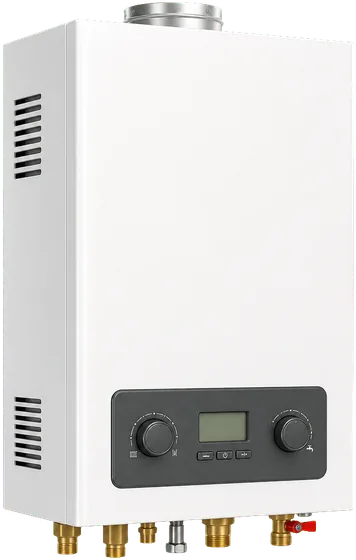
The boiler lights and goes out
A click of ignition, a short tongue of flame in the window, and a few seconds later silence and a lockout. Reset does the same thing again. This is your own gas boiler in a house or in a new flat where it hangs on its own. An ordinary flat on a city riser is not built this way. There is no burner there to reset with a button. The boiler manages to open the gas and to make a spark. Then flame supervision does not confirm that the fire is staying, and the valve closes again. The causes differ: an electrode in soot, little gas at the inlet in the evening, a coaxial pipe pulling its own flue gas back in, or a board that really is not seeing the signal. Which icon lights is the brand's choice. Baxi, Vaillant, and Ariston draw this failure differently. There is no one number for all three. Heating boiler repair starts from 200 000 sum. The exact price comes after diagnostics, once the electrode, the inlet gas, and the flue have been separated. Twenty resets in a row do not heal the board. If you smell gas, do not press reset at all.