
Multicooker will not hold pressure
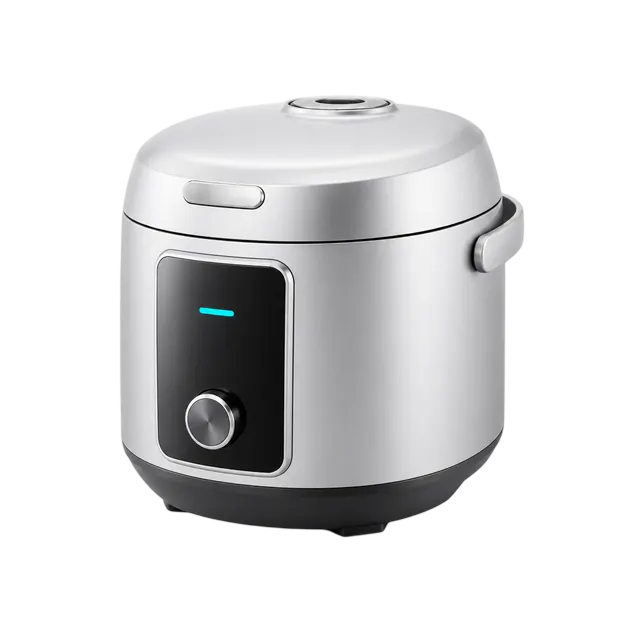
Steam hisses from the valve from start to finish, the meat stays tough, and the lid is closed the whole time. That is a pressure cooker that never built pressure. An ordinary multicooker with no float and no lid lock is not required to hold pressure. A little steam from its normal vent is fine. Mixing the two machines up is how the wrong valve gets taped over.
A pressure cooker has a different order. At the start a short breath of steam is normal, the float rises, the valve seats, then the hiss dies and only now and then lets off the excess. If it hisses the whole cycle, there is no pressure in the bowl. The ring, the float, a lid that sat crooked, or the valve itself lets steam out more easily than it keeps steam in.
Multicooker repair in Tashkent starts from 100 000 sum. The exact price comes after diagnostics, once we can see whether to change the ring, clean the float, or replace the valve. Redmond, Polaris, and Midea with a pressure mode are common, and each draws its own icon. We will not tape the valve on any of them.
Steam from the valve the whole cycle
A working pressure cycle has a sound. A short breath at the start, a click or the float rising, then quiet with an occasional puff when the valve lets off the excess. A hiss with no pauses from the first minute until the ready beep is not how it cooks faster. Steam is leaving, pressure is not rising, and the timer can still run honestly. Meat and beans come out like they came from an ordinary pot, even though the program was named pressure.
The causes of a continuous hiss differ, and the sound is similar. The valve did not seat: the weight was taken off so it would not whistle, the spring is weak, a scrap of bag film is under the valve disc. The ring no longer holds, so steam prefers the rim, but some of it still shouts through the valve. The float never rose, and the float hole itself became a second valve. Or a non-pressure program was selected, and you are watching a steam valve that is supposed to stay open on that program.
While it hisses, do not twist the lid and do not hold the weight down with a finger. A finger on the weight is the same plug, only by hand. Switch off, wait until the float has dropped on its own and the steam has died, then look through the valve seat. Film, a grain, scale on the seat edge: that is cleaning. A collapsed spring and a beaten seat: that is a new valve, not a lid screwed on harder. On diagnostics we separate an open valve from a dead ring. The price comes after that. Labor starts from 100 000 sum. A cold bowl and a code on the display is a different complaint. There may be no steam at all, because heat never started.
A silicone ring with a nick
The ring is the seal between the lid and the bowl. While it is round, springy, and sitting in its groove the whole way around, steam goes only where the valve allows. A nick from a spoon, a tear, a flat spot from storing the lid latched, or a groove of fat leaves a gap. The gap whistles at the rim, sometimes on one side only. The lid may still close with a crunch, or it may never reach the lock.
A ring from another capacity looks almost the same and does not hold. Four litres and five litres of one brand often differ by a couple of millimetres of diameter. A ring that almost fitted is exactly the one that leaks along one arc. Top and bottom are not always the same either. Some rings have a skirt that must face the bowl. An upside-down ring sits neatly and does not seal. Wash it without a knife. The knife is the nick this started with.
Glue and sealant on the cut will not take the temperature and pressure of this mode. On the first cycle the sealant is squeezed into the food or into the valve. A nicked ring is replaced. We look at the groove with it. If the groove is packed with old fat, the new ring will lie just as crooked. After the change, one short run with water, not with meat. Steam at the rim should stop. If only the rim noise stopped and the valve still shouts the whole cycle, the ring was not the only hole. That is the valve seat or the float, and the second part is named on its own, not hidden in the price of the ring.
A crumb in the float
The float is a small pin in the lid. With no pressure it is down, and the lid can open. When pressure appears, the pin rises and will not let the lid come off while the inside is still hot. A grain of rice, a bean skin, or a crumb of dough in that channel breaks both positions. The pin does not rise: steam siphons through the float hole the whole cycle, there is no pressure, and the lid still opens like an empty pot. Or the pin sticks up: the lid reads as not closed, heat is refused, and this now looks like a cold bowl. Or it sticks up after cooking, and the lid will not open.
Do not force it open while the pin is proud. There can still be pressure inside, even if the hiss has gone quiet. Wait until the body is cool and the pin has dropped by itself. Cold water on the lid to speed it up warps the rim and the ring. It does not make the float cleaner. When it is cool and the pin moves freely up and down under a finger, the channel is rinsed from the inside of the lid, with no needle pushed through. A needle raises a burr on the plastic, and the next grain holds even better.
If after cleaning the pin still sticks, or it wobbles in a worn hole, the float is replaced, sometimes with its sleeve. That is not the ring and not the valve, even though the symptom is still steam escaping. On a visit we move the pin by finger on a cold lid and see whether the lid icon goes out when the pin is down and the latch is shut. If it stays on, the lid sensor is lying on its own, and that is the story of heat the board will not allow. Write whether the pin stuck up or down. That decides whether we bring a float or a switch.
The lid sat crooked
A pressure lid does not sit however it lands. It sits in a bayonet or on stops around the circle. Every catch has to go in together. If the ring has left the groove on one arc, the inner lid is not clipped, or porridge is left on the bowl rim, the lid looks closed from outside and one side is higher. Steam hits from that high side. The float may even rise for a second and drop, because the gap is larger than the valve.
Take the ring off completely, wash the groove, lay the ring back without a twist. Fit the inner lid until its clips click, do not just lean it in place. Then close the outer lid with no palm on top. Its own latch should be enough. If the latch will not reach without a push, something is too thick. That is a ring of the wrong volume, a dented bowl rim, or a stripped bayonet. Do not finish the job with a knee. That bends the stops, and the next lid sits even more crooked.
A crooked seat also lies to the lid sensor. The microswitch is not fully pressed, the screen says close the lid, and there is no heat. It gets read as a cooker that will not heat, even though steam was there on the previous cycle, when the lid still held somehow. Those are two different starts. We need to know which one had steam at the rim, and which one had only the icon. Redmond, Polaris, and Midea draw that icon their own way. A number from another brand does not transfer. Once the lid sits flat and the icon goes out by itself, it is clear whether the valve hiss is still there.
Tape on the valve is a bad idea
Tape, bread, a toothpick, and a piece of bag are used to silence the valve or to make it hold pressure better. The valve is the path the excess takes once the ring and the float have done their job. A blocked valve does not add a seal. It removes the safety release. Pressure then rises until the ring gives up, the lock lets go, or the thermal fuse opens and the bowl goes cold for a different reason. The tape melts and runs into the seat. The next honest valve will not sit on that seat.
The same applies to a weight tied down with string, and to a hole taped from inside the lid. Steam will find a way through the gasket, through the float, or past the sensor. Food gets flakes of tape. We take that off, clean the seat or change the valve, and only then say whether the machine holds pressure. We do not put new tape over old tape, and we do not suggest it for one cycle either. The one cycle with a plug is the cycle that blows the ring out.
If steam comes with no tape at all, the repair is somewhere else: the ring, the float, how the lid sits, the seat. Those are visible on a cold machine, without a run in the taped state. For a visit in Tashkent, write whether it is a pressure cooker or an ordinary multicooker, and whether the valve hisses the whole cycle or steam hits from under the rim. Multicooker repair starts from 100 000 sum. The exact price comes after diagnostics. A valve that has to stay free is not repaired with tape.
Bottom line
Continuous steam from the valve is a pressure cooker with no pressure, not a feature of the mode. A nicked ring, a crumb in the float, and a lid that sat crooked let the steam out. Tape on the valve does not lock that steam in. It locks out the safety path.
Wait until the float drops on its own, and only then open the lid. For a visit the brand is enough, plus where it hisses: the valve, the rim, or the float hole. Multicooker repair starts from 100 000 sum. The exact price comes after diagnostics. Until the lid is in hand, we do not glue the ring and the valve into one guessed total.
Questions
Common questions
01Is steam at the start of the program already a fault?
02Can a ring with a small nick stay in?
03The lid will not open and the float is up. What now?
04If I tape the valve, will pressure appear?
Multicooker will not heat and shows an error
The display is lit, the buttons answer, the timer moves, and ten minutes later the bowl is as cold as when you pressed start. That is not a keep-warm mode that is only supposed to be lukewarm. That is a cook program that should boil, while the base under the bowl stays silent. The board has power. The heat path does not. In Tashkent the bowls we see most are Redmond, Polaris, and Midea. The symptom is the same: no heat. The digit or the icon on the screen belongs to that brand, and some units show no code at all, just a clock that sits still. A number from someone else's forum does not belong on your lid. Write the brand, the model, exactly what is drawn, and that the bowl bottom is cold. Multicooker repair starts from 100 000 sum. The exact price comes after diagnostics: heater, thermal fuse, relay, or bowl sensor. Until the base is open, those are four different parts, not one board that explains everything.
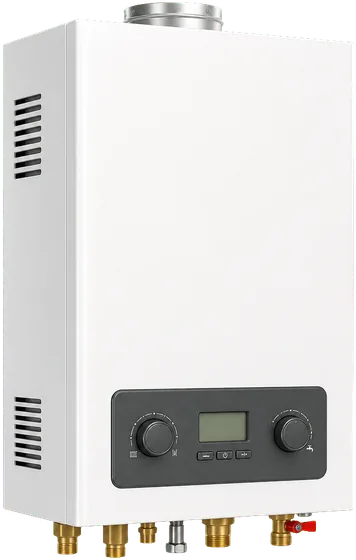
The boiler lights and goes out
A click of ignition, a short tongue of flame in the window, and a few seconds later silence and a lockout. Reset does the same thing again. This is your own gas boiler in a house or in a new flat where it hangs on its own. An ordinary flat on a city riser is not built this way. There is no burner there to reset with a button. The boiler manages to open the gas and to make a spark. Then flame supervision does not confirm that the fire is staying, and the valve closes again. The causes differ: an electrode in soot, little gas at the inlet in the evening, a coaxial pipe pulling its own flue gas back in, or a board that really is not seeing the signal. Which icon lights is the brand's choice. Baxi, Vaillant, and Ariston draw this failure differently. There is no one number for all three. Heating boiler repair starts from 200 000 sum. The exact price comes after diagnostics, once the electrode, the inlet gas, and the flue have been separated. Twenty resets in a row do not heal the board. If you smell gas, do not press reset at all.