
Microwave sparks inside the cavity
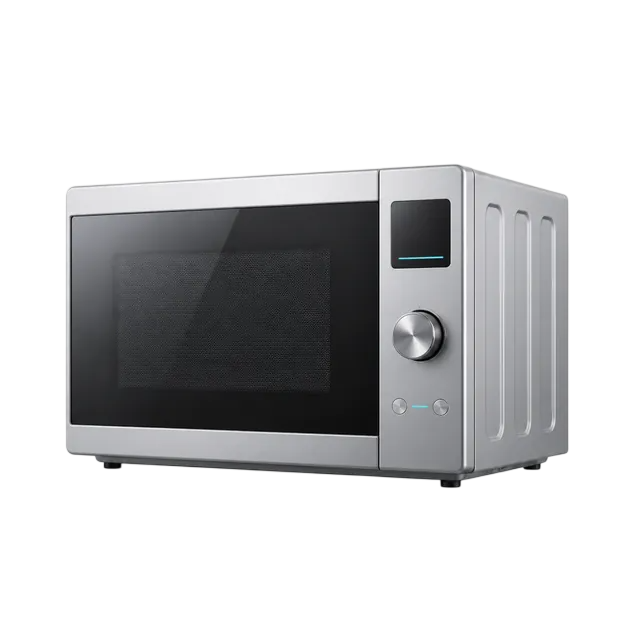
The soup is in the bowl, two minutes on the clock, and the cavity throws a spark like a small weld. That is not the personality of an old oven. The arc bites carbon, metal in the dish, or a burned waveguide window. The magnetron is last in that queue. Until the metal under the cover shows a crater, condemning it is early.
Pull the plug at the first flash. One more start, just to look, burns the spot a new sheet would have covered. Microwave repair in Tashkent starts from 100,000 som. The exact figure comes after diagnostics, before any part is changed. If there is no spark, the lamp is on, and the soup stays cold, that is a different fault: the microwave hums but does not heat.
Saturday, a bowl of soup, and lightning in the cavity
The spark looks worse than the fault behind it. Energy leaves the magnetron through the waveguide and enters the cavity through a small window. A thin sheet covers that window. While the sheet is clean, the arc has nothing to bite. Oil, a drop of tomato, or a crumb dries on it, the spot carbonizes, and carbon conducts. The next start strikes the same point, the sheet blackens, and the enamel beside the window takes a burn.
The soup, as food, is innocent. The splash is not. No cover, a high plate, a long reheat: starch and oil land on the ceiling, right on the window. If the arc travels around with the plate, look at the rim of the dish. If the flash stays in one place while the plate turns, the spot is on the wall or on the sheet, not in the turntable motor. An arc along the door mesh, rather than inside the cavity, is a different job: the door screen and the choke. Do not scrape that mesh with a knife, and do not patch it with foil.
Before a visit: plug out, door open, cavity cool, plate on the table. A sheet held by one screw or by clips can come off so you can see the back. If it crumbles, has a hole, or a burn straight through, do not put it back and do not start the oven. A start with the window open fires into the bare guide. Do not pour water into the holes, and do not scrape the carbon with a knife. The scratch becomes the next place the arc can strike.
The mica sheet, not the magnetron
The mica sheet passes the microwave energy and keeps steam out of the waveguide. On ovens we see in Tashkent kitchens it is often on the right wall of the cavity, sometimes on the ceiling. It is held by a screw, a plastic clip, or tabs in slots. A new sheet is grey and slightly see-through. A yellowed one can still be doing its job. A black spot, a hole, a burnt smell, and crumbs on your fingers mean the sheet has become a conductor.
A magnetron is replaced when it no longer delivers power, or when it has failed internally. A spark on the mica does not prove that. On a call we take the sheet off first and look at the metal of the window. Carbon only on the mica, bright metal underneath: the job is the sheet and a wipe of the cavity. A crater under the sheet, metal turned blue: we look further down the guide, and we still do not open with the words the magnetron is dead. A new magnetron on an oven with a hole in the window feeds the same arc. Different money, different work, and the two should not be mixed before the sheet is off.
The replacement has to match the window, not a roughly similar piece from a stall. A crooked cut leaves a corner open, the edge stands proud in the cavity, and that edge collects the arc. Transfer the holes from the old sheet. Do not drill them closer to the centre by eye. After it is on, wipe the cavity so water does not run into the window. A short start only with a cup of water inside, and only if you can no longer see a burn path. Microwave repair is quoted after that look at the guide. The floor for a microwave visit is from 100,000 som, and that floor is not the price of a magnetron.
A plate with a gold rim
A gold line on a plate is metal, even when the line is thin. The field induces current in it, the rim sparks as it turns, and the enamel picks up spot after spot. A silver line, a spoon left in a cup, delivery foil, a rack that did not come with this oven, and a cup with a metal crest do the same thing. Saying it was fine once is not an argument. The arc depends on how the line sits opposite the window.
Glass and ceramic are fine in the cavity. The decoration is the problem. If the rim catches a fingernail as a separate layer and glints like metal against the light, that dish stays out. If you are unsure, heat the food in another plate. A container with a crushed bit of foil on the corner gives one vicious spark and a hole in the plastic. The oven may survive it, but the enamel already has a burn, and the next bowl of soup on a plain plate sparks because of that burn.
The turning plate is not the fault. The motor is alive precisely because the dish moves and the spark travels with the rim. Wash the roller and the ring if they are greasy. Replacing them because of a spark is pointless while they are intact and quiet. After metal has been in the cavity, look at the walls with the plug out. Do not paint a black spot with varnish from a drawer, and do not cover it with foil. Foil in the cavity is more metal.
The waveguide cover
In home ovens the waveguide cover and the mica sheet are often the same part. Some models use a grey or black plastic cover instead of mica, with the same job: close the window and keep steam out of the guide. Plastic burns through as a hole, the edges melt, and the arc strikes the metal instead of the cover. The smell is not food. It is scorched plastic, not scorched rice.
The guide behind the cover is a narrow metal passage toward the magnetron. Do not pour water into it, do not put a knife in, and do not scrape the carbon back to bright metal. A scratch in the guide becomes a new place for the arc. We take the cover off, see whether the carbon has walked past the window, and only then decide: a new cover is enough, or the metal already has a crater. A deep crater is an honest conversation about whether the oven is worth more work. That is visible on site, not from the sentence something in there looks black.
While the cover is off, the oven stays unplugged. An open window fires straight into the guide and gives grease a path toward the magnetron. The new cover has to lie flat, with no gap at a corner. A gap collects steam again, and a month later the spot is back in the same place. If a cup of water heats with no flash, wipe the cavity with a dry cloth after greasy reheats. Do not flood the floor of the cavity. A nearly matching cover that sits cocked is not a repair. The cock is the gap.
Why an empty test run is a bad idea
An empty cavity is a load that is not there. The energy has nowhere to go in the food, so it returns to the magnetron. A short empty start, just to see whether it still sparks, is a good way to finish the part nobody has condemned yet. With no water in the cavity the arc finds a carbonized spot more easily. The flash is harsher and the burn goes deeper.
If you need to know the oven is alive after a clean assembly, put a cup of water on the plate, shut the door, and keep the time short. The water warms and there is no flash: that start did heat. The water stays cold and it flashes again: plug out, and do not run a series of ten starts. Ten starts do not sharpen the diagnosis. They pile the burn onto one point. A smell of burning or of ozone after that test is a reason to leave the top cabinet on. That bay is not a kitchen-table inspection.
A greasy sheet, a metal rim, and the habit of pressing start with no cup often land on the same evening. Microwave repair separates them on site: from 100,000 som, the exact figure after the sheet is off and the guide is visible. An oven that does not spark, hums, and leaves the soup cold is a different job — the microwave hums but does not heat.
Bottom line
The spark stops when the plug is out and a sound cover sits on a clean window, not when you add another minute to look. A gold rim and an empty cavity make the same arc as burned mica. The path is different. The magnetron is last on that list.
If the sheet crumbles, there is a crater under it, or the spark returns after a cup of water, leave the oven off. ProServices looks at the cavity and the guide at home in Tashkent. Microwave work starts from 100,000 som. We name the exact figure after diagnostics, before anything is replaced.
Questions
Common questions
01Does a spark in the cavity always mean a dead magnetron?
02Can I start it once more if it only sparked once?
03Does a gold rim really arc, or is that only foil?
04What does it cost to stop the sparking?
Microwave hums but does not heat
The lamp is on, the plate is turning, the fan is busy, and two minutes later the soup is just as cold. The low-voltage side is alive: light, turntable motor, and usually the cooling fan. Heat is a different circuit. A lit lamp does not prove the magnetron ever saw high voltage. Pull the plug, and do not run a series of starts in case it warms up this time. An empty cavity and ten repeats finish the part that could still have been measured whole. Microwave repair in Tashkent starts from 100,000 som, the exact figure after diagnostics. If the cavity is also sparking, that is the other fault: the microwave sparks inside.
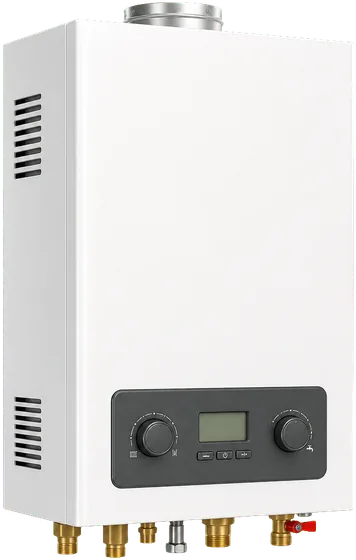
The boiler lights and goes out
A click of ignition, a short tongue of flame in the window, and a few seconds later silence and a lockout. Reset does the same thing again. This is your own gas boiler in a house or in a new flat where it hangs on its own. An ordinary flat on a city riser is not built this way. There is no burner there to reset with a button. The boiler manages to open the gas and to make a spark. Then flame supervision does not confirm that the fire is staying, and the valve closes again. The causes differ: an electrode in soot, little gas at the inlet in the evening, a coaxial pipe pulling its own flue gas back in, or a board that really is not seeing the signal. Which icon lights is the brand's choice. Baxi, Vaillant, and Ariston draw this failure differently. There is no one number for all three. Heating boiler repair starts from 200 000 sum. The exact price comes after diagnostics, once the electrode, the inlet gas, and the flue have been separated. Twenty resets in a row do not heal the board. If you smell gas, do not press reset at all.