
Microwave hums but does not heat
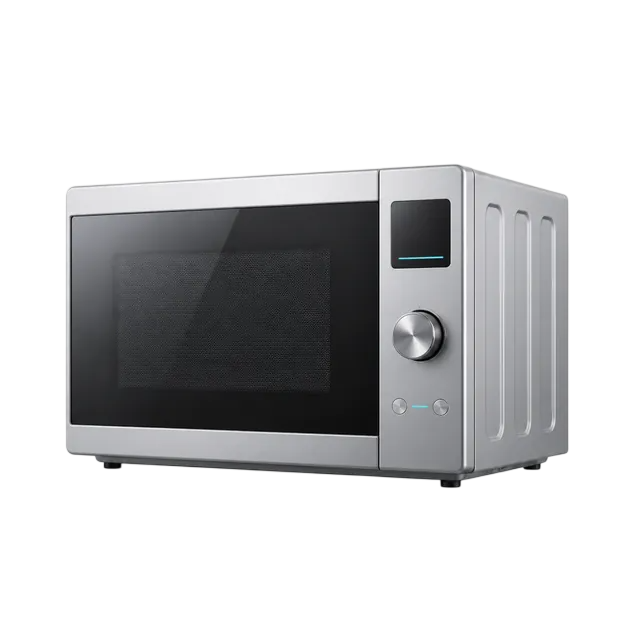
The lamp is on, the plate is turning, the fan is busy, and two minutes later the soup is just as cold. The low-voltage side is alive: light, turntable motor, and usually the cooling fan. Heat is a different circuit. A lit lamp does not prove the magnetron ever saw high voltage.
Pull the plug, and do not run a series of starts in case it warms up this time. An empty cavity and ten repeats finish the part that could still have been measured whole. Microwave repair in Tashkent starts from 100,000 som, the exact figure after diagnostics. If the cavity is also sparking, that is the other fault: the microwave sparks inside.
Lamp on, plate turning, soup still cold
This is the most misleading picture. The oven looks busy: light, a moving tray, often a steady fan. A hand on the door feels nothing, and a cup of water stays at room temperature. Heat in this oven does not have to start just because the lamp did. The lamp and the turntable motor sit on the low-voltage side. The magnetron is fed separately, through the power circuit, and that circuit can stay silent while the light is perfectly healthy.
The hum has to be taken apart as well. A light rush from the first second is almost always the fan and the turntable motor. On a transformer oven, a deeper buzz joins it a couple of seconds later if the transformer primary is actually powered. Fan only, no deeper buzz: the power circuit probably never started. Door, fuse, or a relay on the board. Buzz present and the water still cold: the transformer is powered, and downstream the diode, the capacitor, or the magnetron itself is not delivering into the cavity. That is a measurement, not an argument about the noise.
Before a visit, one honest test is enough. A cup of water, a short time, and the plug out if the water did not warm. Ten cycles in a row do not sharpen the diagnosis. A photo of the rating plate is worth more than guessing from the weight of the box. It tells us transformer or inverter. Microwave repair starts at that fork, not at the sentence the magnetron is due. The floor for the visit is from 100,000 som, the exact figure after the test.
Three door microswitches
A typical oven has three microswitches in the door latch, not one. Two of them must close when the door is shut. Without that, the power circuit is not allowed to come alive. The third, the monitor, is built the other way around. It is there so a welded run switch blows the fuse instead of leaving the magnetron able to run with the door open. A door that looks shut and three switches that have actually landed in the right order are not the same fact.
The lamp and the turntable can be fed through one switch, and the transformer primary or the inverter through another. The door looks closed, the light is on, the plate turns, and the high-voltage path is open. That is this symptom exactly. The mirror fault exists too. After a click and a smell, the oven is completely dead. Often the fuse has opened because a stuck contact and the monitor switch met. Do not drop in whatever fuse is in the drawer, and do not bridge it with wire. A jumper on the door circuit can leave the magnetron able to run with the door not fully shut.
Do not bend the latch with pliers so that it finally heats. A bend that happens to enable heat can also enable heat with a gap at the door. The plastic ears break from the habit of slamming until the light stays on. If the lamp holds only while a palm presses the door, say that on the phone. We check switch order with the plug out, without a homemade adjustment. Paper, tape, and a bit of wire in the latch are not a repair.
Burnt smell on top, and hands stay out
A burnt smell from under the top cover is not burnt soup. It is winding varnish, sometimes ozone, sometimes a scorched board. The source sits up there: the high-voltage transformer or the inverter, the high-voltage diode, the capacitor, the magnetron. That cover does not come off on the kitchen table. The plug has to be out, and the plug being out is not permission to go in with a screwdriver. This bay is not a home inspection.
Do not hunt for which wire cooked, and do not scrape terminals with a knife to clean the carbon. A charred terminal and a darkened transformer case are visible only once the cover is off under a proper check, done on the visit, not from memory of a video. If the breaker opened along with the smell, leave it open. A series of resets after a burning smell finishes whatever was still holding.
While you wait, the oven stays unplugged, door open, so nobody in the house starts it. Do not take the cover screws out to save the technician time. The screws look ordinary. What is behind them is not the lamp wiring. Microwave repair starts with us opening that bay, after we have heard whether there was a deep buzz, smoke, or a tripped breaker. From 100,000 som, the exact figure once it is clear what actually burned.
Inverter and transformer ovens are different machines
A transformer oven is heavy, and when heat should begin, a low buzz joins the fan. That buzz is the power transformer. An inverter oven does not make it. The door or the panel often says Inverter. Many Panasonic ovens are built that way, and so are some LG and Samsung lines. If the word is missing, the rating plate decides, not the habit of thinking every microwave is the same machine.
They fail differently. On a transformer oven, humming without heat lines up as door, fuse, relay, then diode, capacitor, and magnetron. A buzz with a cold cup means the transformer is already powered, so the fault is downstream of it, not the start button. On an inverter oven the common failure is the inverter board itself: fan and lamp alive, no buzz, food cold. The board can die quietly or with a black spot that exists only under the cover. A transformer from a similar-looking Samsung does not go into an inverter oven. The plugs only look related from across the room.
There is no need to buy a board or a transformer before the cover is off. A photo of the plate is enough to know the family. On the visit we measure the circuit that is actually in this oven and name the figure before anything is replaced. The floor is the same: from 100,000 som. An inverter board and a mica sheet are not neighbouring prices, and mixing them before diagnostics is not honest. If the oven also sparks, that is not an extra note on the inverter. It is a separate look at the cavity: the microwave sparks inside.
When the magnetron has actually failed
The magnetron goes at the end of the queue, not the start. It has actually failed when the door switches land in order, the fuse is intact, and the power side — transformer with diode and capacitor, or the inverter — is doing its job, and the food is still cold. Open filament, a short to the case, or an internal breakdown. Sometimes a sharp burnt smell comes off the magnetron body itself, with a dry tick, not a spark across the mica on the wall.
Humming and not heating does not by itself reach that verdict. A dead switch, a silent inverter, and an open diode start the same way. Slow heating is a third plot: the water is only lukewarm after a normal time, there is no spark, and the door holds. That is still a measurement, not a feeling that the tube is weak. Empty runs meant to wake it up are a good way to finish a magnetron that has nowhere to put the power.
On the visit we say so plainly if the tube is innocent and the door is the whole job, or if the tube is no longer delivering. The price is named before the work. From 100,000 som for a microwave visit, the exact figure after diagnostics. A magnetron and a mica sheet are not the same estimate. An oven that has already smelled of burning on top stays off until that conversation. The cover stays on until we take it off.
Bottom line
Light, a turning plate, and a fan leave the soup cold exactly when the power circuit never reached the cavity. The latch and the three switches come first, then the question of transformer or inverter, and only then the magnetron. A burning smell is not a reason to take the top cover off.
ProServices checks that circuit at home in Tashkent. Microwave repair starts from 100,000 som. We name the exact figure after diagnostics, before a replacement. Sparks in the cavity are the neighbouring case: the microwave sparks inside.
Questions
Common questions
01Why is the lamp on and the plate turning while the food stays cold?
02Can I bend the latch so it starts heating?
03There is a burnt smell on top. Can I take the cover off and look?
04What does it cost if the microwave will not heat?
Microwave sparks inside the cavity
The soup is in the bowl, two minutes on the clock, and the cavity throws a spark like a small weld. That is not the personality of an old oven. The arc bites carbon, metal in the dish, or a burned waveguide window. The magnetron is last in that queue. Until the metal under the cover shows a crater, condemning it is early. Pull the plug at the first flash. One more start, just to look, burns the spot a new sheet would have covered. Microwave repair in Tashkent starts from 100,000 som. The exact figure comes after diagnostics, before any part is changed. If there is no spark, the lamp is on, and the soup stays cold, that is a different fault: the microwave hums but does not heat.
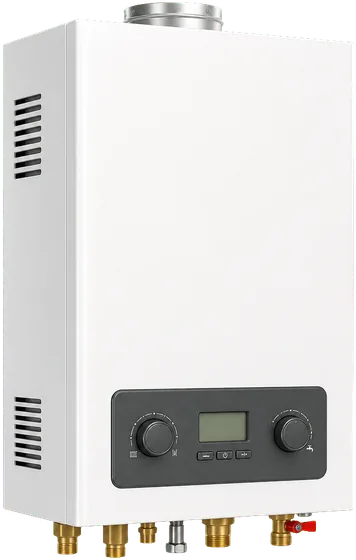
The boiler lights and goes out
A click of ignition, a short tongue of flame in the window, and a few seconds later silence and a lockout. Reset does the same thing again. This is your own gas boiler in a house or in a new flat where it hangs on its own. An ordinary flat on a city riser is not built this way. There is no burner there to reset with a button. The boiler manages to open the gas and to make a spark. Then flame supervision does not confirm that the fire is staying, and the valve closes again. The causes differ: an electrode in soot, little gas at the inlet in the evening, a coaxial pipe pulling its own flue gas back in, or a board that really is not seeing the signal. Which icon lights is the brand's choice. Baxi, Vaillant, and Ariston draw this failure differently. There is no one number for all three. Heating boiler repair starts from 200 000 sum. The exact price comes after diagnostics, once the electrode, the inlet gas, and the flue have been separated. Twenty resets in a row do not heal the board. If you smell gas, do not press reset at all.