
Frost in the fridge, or a leak
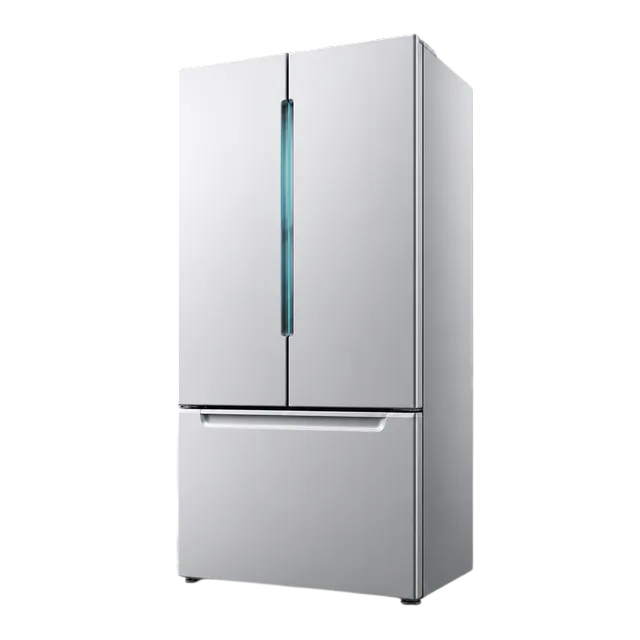
In the morning two fridges on the same stairwell look the same. A coat on the back wall, water under the drawer, milk that is no longer cold. One of them has a blocked defrost drain: dust and hard water closed the hole, and the ice climbed. The other has dark oily dust on a tube, and after an honest thaw the cold does not come back. From the doorway you cannot tell them apart.
Refrigerant that has not puddled on the floor does not smell like water and does not make a puddle. A morning puddle is usually meltwater with nowhere to go. Until there is oil on a tube, and until the cold has been asked to return after a thaw, I do not open a cylinder. If the compressor hammers and the shelf is warm before any coat appears, read the other piece: a fridge that runs and does not cool. After that it is fridge repair.
Two fridges can look the same before breakfast
From the landing, and even with the door open, the picture is one picture. Frost on the back wall, water on the kitchen floor, a compressor that hums and then rests. Both owners have already heard the word "charge it". I push that word back until the two cabinets have been separated by hand. One is cured by the drain hole and a patient thaw. The other, without a search for oil, only receives gas that leaves again.
They share one thing. In July the kitchen is hot, the door opens more often, and damp air sits on the cold wall. A weak gasket will grow a coat on a sealed system that is still whole. Dust in the niche finishes the condenser, the compressor runs longer, and the frost has time to build. That is not grams of refrigerant yet. That is air, the door, and heat with nowhere to go.
They can be separated in one visit if nobody chips the ice and nobody cracks a cylinder valve "to test". Thaw until dry, the hole under the drawer, the gasket, the condenser. Then, and only then, the tubes in a good light: is there oil on them. The work starts from 200 000 sum. The exact sum is after diagnostics, because cleaning a drain and searching for a leak are not one operation.
A snow coat hidden behind the panel
On a frost-free cabinet the evaporator hides behind a panel. When defrost does not heat, or the fan does not turn, a coat grows on it. Air has nowhere to pass, the freezer becomes a drift, and the fridge cabinet warms. From outside it looks like an empty circuit: the compressor runs, and little comes of it.
The coat comes off with patience, not with a knife and not with a dryer pointed into the liner. Pull the plug, open the doors, put towels under the cabinet and in the compartments. The ice leaves as water down the proper drain if that drain is alive, or into the towel if the drain is already blocked. Plastic warps from hot air before you gain an hour. After a full thaw and a clean condenser, a whole circuit takes cold and holds it for days. The same wall of coat a day or two later is the defrost heater, the sensor, or the door, not a hole that needs feeding.
If after that thaw the cold never appears at all, the compressor is hot, and the condenser can already breathe, then the sealed system stops being the last version and becomes the job. Until then the cylinder stays shut. How a living compressor sits next to a warm shelf with no coat at all is written beside this: a fridge that runs and does not cool.
The drain hole under the crisper
Under the vegetable drawer there is a small hole. Defrost water is supposed to leave through it, down a tube, into the tray above the compressor, and dry there from the compressor's heat. In Tashkent the hole closes with dust, crumbs, and a crust from hard water. Water stands in the channel, freezes, and the ice climbs the back wall. In the morning it thaws onto the floor. That is the "leak" that is not a leak.
The hole is cleared with warm water and a soft tube or a blunt skewer, not with a knife in the plastic. A knife cuts the channel, and then the water runs into the wall foam. The tray at the back is looked at too. If it is packed with dust, the water does not dry and spills on the floor under the cabinet. A puddle by the compressor often comes from there, not from the circuit. Refrigerant does not become a puddle of water.
After cleaning it is worth pouring a little warm water and seeing that it arrives in the rear tray, not inside the wall. If the next day the coat is not growing from the same point above the hole, the circuit has nothing to do with it. If the hole is clean and the snow sits behind the panel as an even block, I go back to defrost and the fan.
Oily dust sitting on the tubing
Refrigerant travels the circuit with oil. At a leak the oil comes outside and collects dust: a joint, a nut, a tube, or a corner of the evaporator goes dark and sticky. Dry white frost is not sticky. Frost on the cabinet wall is moisture from the air. Oil is the trace of a hole.
I look at the tubes in a good light, with the cabinet pulled out, not by feel in a dusty niche. Dry grey dust is just Tashkent dust. It gets brushed off. Dust that is dark, looks wet, and smells of oil on a finger is not wiped "to make it tidy" before the place is noted. Otherwise the trace disappears and the hole stays.
One spot is not enough to name grams. It is enough not to fill the circuit blind. On a leak the compressor often runs with almost no pause and heats harder than usual: plenty of heat, no cold on the evaporator. That looks like a choked condenser, which is why the condenser is cleaned before anyone says "gas". Oil on a clean condenser is no longer easy to confuse with dust.
A refill that skips the hole just feeds the leak
A charge without the leak site leaves the same hole. The gas leaves again, sometimes in days, sometimes in weeks, and the compressor spends that time running short. Its own cycles heat it, oil leaves with the refrigerant, and the second visit costs more than the first. "Let's see if it helps" is not a test. It feeds the leak.
I do not quote a pressure or a weight of gas until I see a trace, or until an honest thaw and a clean condenser have shown that the cold does not return at all. Even then the place comes first, then the gas. If there is no trace and the coat grows back from the hole under the drawer, the cylinder is irrelevant: the channel gets cleaned. If there is no trace and the ice behind the panel is the fan, the fan is replaced, not the circuit.
Work on this fork starts from 200 000 sum. The exact sum is after diagnostics. Clearing a drain, replacing a defrost heater, or following oil to a leak are different evenings. If a tube already has dark sticky dust, say so before anyone wipes it off. This is fridge repair, and the order matters more than a cylinder in the trunk.
Bottom line
The same morning does not make the same repair. A coat behind the panel and ice from a blocked hole under the drawer leave with a thaw and a cleaning. Dark oily dust on a tube is another conversation, and it starts at the place, not at the cylinder.
Until the trace is found, a charge feeds the leak. The work is from 200 000 sum, the figure after diagnostics. Ice is not chipped, a full cabinet is not laid on its side, and a dusty trace on a joint is not wiped off before it is seen.
Questions
Common questions
01There is a coat on the back wall and water on the floor. Is that a refrigerant leak?
02Can I knock the ice off with a knife so it cools faster?
03Is it worth charging the system just to test, if the spot was not found?
04What does it cost to tell a snow coat from a leak?
The fridge runs but does not cool
The milk has soured, and the compressor is alive: it hums, the side panel is warm, the light in the cabinet is on. A living compressor does not mean the cold is reaching the shelf. In July the kitchen is hot anyway, and the fridge often stands in a niche where the condenser is packed with dust and cannot reject heat. Next I look at the fan behind the rear panel and at the relay that clicks and then goes quiet. An evening sag in an old building drops the start while the lamp on the same socket visibly dims. Refrigerant is last on that list. While the condenser cannot breathe, the fan is stopped, or the evaporator is a block of ice, I do not touch the tubes. If the morning shows a coat on the back wall and a puddle on the floor, that is the next piece: frost or a leak. The visit itself is fridge repair, from 200 000 sum, exact price after diagnostics.
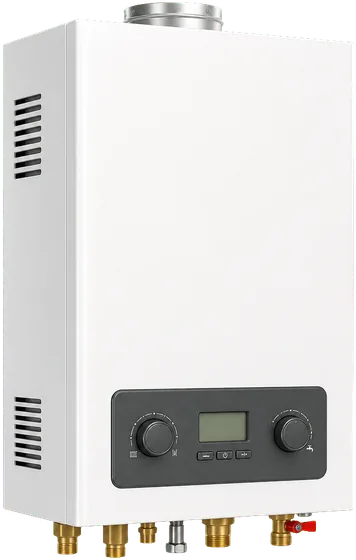
The boiler lights and goes out
A click of ignition, a short tongue of flame in the window, and a few seconds later silence and a lockout. Reset does the same thing again. This is your own gas boiler in a house or in a new flat where it hangs on its own. An ordinary flat on a city riser is not built this way. There is no burner there to reset with a button. The boiler manages to open the gas and to make a spark. Then flame supervision does not confirm that the fire is staying, and the valve closes again. The causes differ: an electrode in soot, little gas at the inlet in the evening, a coaxial pipe pulling its own flue gas back in, or a board that really is not seeing the signal. Which icon lights is the brand's choice. Baxi, Vaillant, and Ariston draw this failure differently. There is no one number for all three. Heating boiler repair starts from 200 000 sum. The exact price comes after diagnostics, once the electrode, the inlet gas, and the flue have been separated. Twenty resets in a row do not heal the board. If you smell gas, do not press reset at all.