
The fridge runs but does not cool
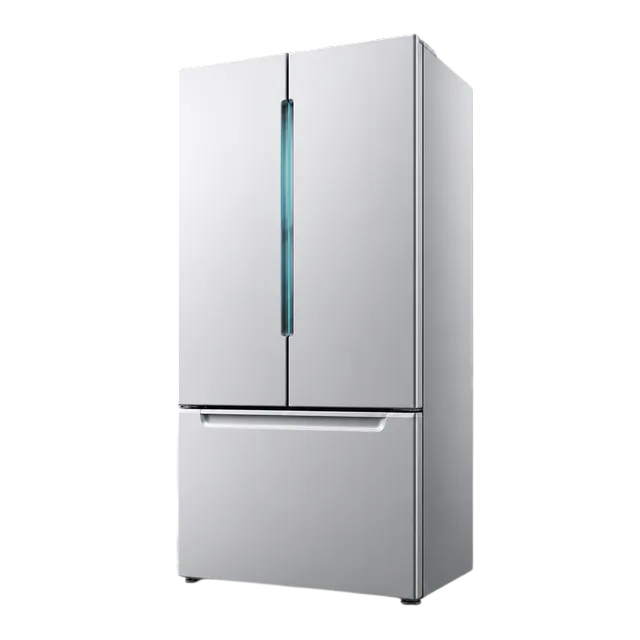
The milk has soured, and the compressor is alive: it hums, the side panel is warm, the light in the cabinet is on. A living compressor does not mean the cold is reaching the shelf. In July the kitchen is hot anyway, and the fridge often stands in a niche where the condenser is packed with dust and cannot reject heat. Next I look at the fan behind the rear panel and at the relay that clicks and then goes quiet. An evening sag in an old building drops the start while the lamp on the same socket visibly dims.
Refrigerant is last on that list. While the condenser cannot breathe, the fan is stopped, or the evaporator is a block of ice, I do not touch the tubes. If the morning shows a coat on the back wall and a puddle on the floor, that is the next piece: frost or a leak. The visit itself is fridge repair, from 200 000 sum, exact price after diagnostics.
The milk soured while the compressor kept running
The fridge cabinet is warm, the freezer still holds a crust or no longer does, and the compressor runs in cycles and does not fall silent for good. That is not "the motor died". The motor is the part that is alive, pushing heat that has nowhere to go, or pushing air that cannot cross a block of ice. Milk sours from the temperature on the shelf, not from whether you can hear the hum.
Before a screwdriver I look at the plain things that spoil the picture in the heat. The door is held by the corner of a container. The gasket is hard in one place and will not hold a strip of paper. A pot of hot food went in an hour ago. In July that is enough for a marginal cabinet to fall behind. If the gasket is sound, there is no pot, and the shelf is still warm by morning, I go to the niche and the back wall.
I will not cut a tube and "add cold" on arrival. A compressor that hums and heats can be healthy behind a choked condenser, a dead fan, or a relay that will not hold the start. Those jobs do not cost the same. The start is from 200 000 sum, and the exact sum is after diagnostics, when it is clear whether cold is reaching the evaporator.
A niche where the condenser has no air
The condenser on the back, or the coil under the cabinet, has to dump heat into the room. In a Tashkent flat it gets built into a niche hard against the wall, closed by a cabinet plinth, and stacked with jars on top. Over a season the dust lies down like felt. The compressor hammers, the heat stays in the tubes, and the milk on the middle shelf is warm. In July the kitchen is already past thirty degrees, and a finger's width of gap is no longer enough.
Between the grille and the wall there should be about a palm of air. Nothing sits on the cabinet. The plinth must not choke the opening. The fridge is rolled out carefully, not by a tube. Dust comes off the condenser with a brush and a vacuum, and off the under-cabinet fan if there is one. The compressor is not sprayed wet. After cleaning, the cabinet runs empty for a couple of hours before anyone judges whether the cold came back.
If the shelf cools after the niche can breathe and holds through the next day, the tubes were not the point. If the condenser is clean, the gap is there, and the compressor still hammers a hot side while the inside stays warm, I go on: fan, ice, relay. A gas charge does not replace that dust.
Ice on the back wall and a fan that has stopped
On a frost-free cabinet the fan behind the rear panel moves the cold. It takes air off the evaporator and delivers it to the fridge. The fan is silent, the blades are frozen in, or the evaporator has become one block — the freezer fills in, and the milk shelf warms, while the compressor is alive. Ice on the back wall of the fridge compartment itself can be something else: the gasket, warm food, a door that does not close. That is not automatically a hole in a tube.
The panel is not ripped off with a knife, and the ice is not chipped. Pull the plug, open the doors, put towels at the bottom, and let it thaw on its own. A dryer pointed into the plastic warps the liner before the ice leaves. After a full thaw and a clean condenser, a sound sealed system takes cold again and holds it for days. A coat that returns in a day or two as the same wall is defrost or the door, not the first thought about refrigerant.
If the fan behind the panel still does not turn on a clean, dry evaporator, the fan is replaced or we look at why it is not being fed. That is not opening the sealed system. How to tell a snow coat from a leak sits next door: frost or a leak.
A relay that clicks once and then goes quiet
The start relay clicks, the compressor kicks, and a second later it is quiet. A minute later, another click. The side panel never settles into a steady warmth, and the milk sits. That can be the relay itself, the thermal protector, or a compressor that does not have the voltage to stay in the start. It is not a reason to saw a tube.
In an old building, in the evening, the lamp on the same line dims, and those are the hours the fridge stops holding its start. In the daytime, when the voltage is steadier, it may run a cycle and create the impression that it "sometimes cools". The measurement is at the socket in the evening, under load, when the shelf is actually warm. The compressor's terminal cover is not opened out of curiosity. That is mains voltage and a hot shell.
If the evening voltage is steady and the relay still clicks and lets go, look at the relay and the protector, and only then at the compressor. A fresh charge does not cure a dead start. A compressor that will not start, and a compressor that starts but does not cool with a clean condenser, are different conversations and different sums after diagnostics.
Refrigerant is the last explanation I accept
I come to the refrigerant when the niche can breathe, the condenser is clean, the fan turns, the evaporator does not stand up as a wall within two days of an honest thaw, and the cold still does not appear. The compressor runs and heats, the side is hot, the inside is warm. Even then the trace comes first: dark oily dust on a joint or a tube. Dry frost is not oil.
Adding gas to a circuit with a hole feeds the leak. It leaves again, and the compressor works short and overheats. I do not quote a pressure without finding the place, and I do not promise grams by eye. Where to look for oil, and how a snow coat differs from a hole, is next to this: frost or a leak.
Until the version reaches the tubes, the bill is different: cleaning the niche, a fan, a relay, a defrost. All of that starts from 200 000 sum. The exact sum is after diagnostics, not from the sentence "it runs but does not cool". If oil is already visible on a tube from the doorway, say so at once. It changes the order. It does not cancel the search for the hole.
Bottom line
A living compressor hum does not feed the shelf with cold. Start with air at the condenser, dust in the niche, the fan behind the panel, and a relay that will not hold the start. A July kitchen and an evening sag in an old building can imitate "the gas is gone" without anyone touching a tube.
A charge waits until a clean cabinet, after a thaw, still will not cool, and there is oil on the metal. The work is from 200 000 sum, the figure after diagnostics. Ice is not chipped with a knife, and a full fridge is not laid on its side.
Questions
Common questions
01The compressor hums and the food is warm. Is that a leak straight away?
02How far should the fridge stand off the wall?
03The relay clicks and the compressor goes quiet at once. Cut the tubes?
04What does it cost when a fridge runs and does not cool?
Frost in the fridge, or a leak
In the morning two fridges on the same stairwell look the same. A coat on the back wall, water under the drawer, milk that is no longer cold. One of them has a blocked defrost drain: dust and hard water closed the hole, and the ice climbed. The other has dark oily dust on a tube, and after an honest thaw the cold does not come back. From the doorway you cannot tell them apart. Refrigerant that has not puddled on the floor does not smell like water and does not make a puddle. A morning puddle is usually meltwater with nowhere to go. Until there is oil on a tube, and until the cold has been asked to return after a thaw, I do not open a cylinder. If the compressor hammers and the shelf is warm before any coat appears, read the other piece: a fridge that runs and does not cool. After that it is fridge repair.
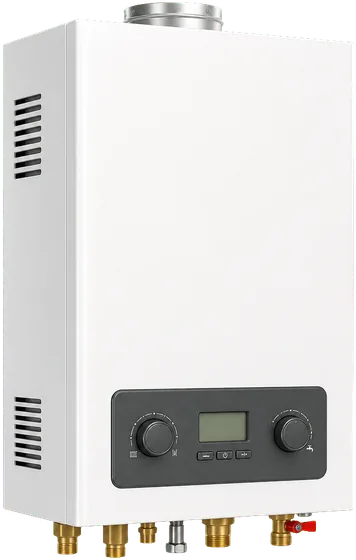
The boiler lights and goes out
A click of ignition, a short tongue of flame in the window, and a few seconds later silence and a lockout. Reset does the same thing again. This is your own gas boiler in a house or in a new flat where it hangs on its own. An ordinary flat on a city riser is not built this way. There is no burner there to reset with a button. The boiler manages to open the gas and to make a spark. Then flame supervision does not confirm that the fire is staying, and the valve closes again. The causes differ: an electrode in soot, little gas at the inlet in the evening, a coaxial pipe pulling its own flue gas back in, or a board that really is not seeing the signal. Which icon lights is the brand's choice. Baxi, Vaillant, and Ariston draw this failure differently. There is no one number for all three. Heating boiler repair starts from 200 000 sum. The exact price comes after diagnostics, once the electrode, the inlet gas, and the flue have been separated. Twenty resets in a row do not heal the board. If you smell gas, do not press reset at all.